Beginner Homesteading: A Simple Guide to Self-Sufficiency
Homesteading is more than just a lifestyle; it’s a commitment to self-sufficiency, sustainability, and a deeper connection to the land. Whether you have acres of farmland or just a small backyard, you can start homesteading today. If you’ve been dreaming of growing your own food, raising livestock, or living a simpler life, here’s how you can begin your homesteading journey.
Step 1: Define Your Homesteading Goals
Before you dive into homesteading, take some time to outline your goals. Do you want to grow a vegetable garden? Raise chickens for eggs and meat? Learn food preservation techniques? Knowing what you hope to achieve will help you focus on the skills and resources you need to acquire.
Step 2: Start Small
One of the biggest mistakes new homesteaders make is trying to do everything at once. Instead, begin with small, manageable projects:
- Grow a few herbs in containers or a raised bed.
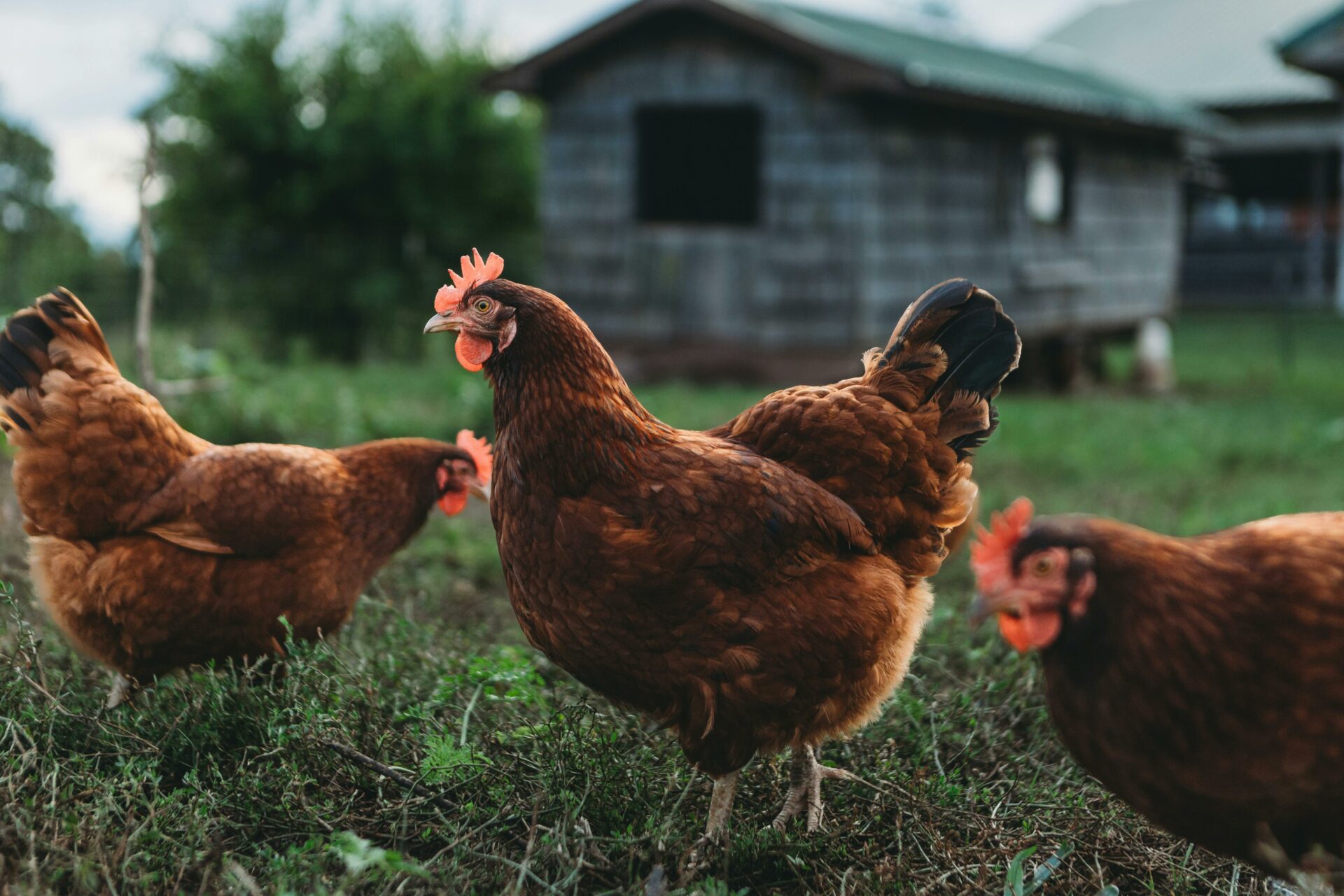
- Keep a couple of backyard chickens for fresh eggs.
- Learn how to can or dehydrate food.
- Set up a compost bin for food scraps and yard waste.
As you gain confidence, you can expand your efforts and take on bigger challenges like beekeeping, dairy animals, or off-grid energy solutions.
Step 3: Learn Essential Skills
Homesteading requires a variety of skills, from gardening and animal husbandry to food preservation and woodworking. Start by learning the basics through books, online tutorials, and hands-on practice. Some essential skills include:
- Basic gardening techniques (planting, soil health, pest control)
- Animal care (feeding, sheltering, and health maintenance)
- Food preservation (canning, fermenting, freezing, and drying)
- Cooking from scratch
- Basic carpentry and tool maintenance
Step 4: Make the Most of Your Space
Even if you live in an urban or suburban area, you can still embrace homesteading. Urban homesteaders can use vertical gardening, community gardens, and container planting to grow food. If space is limited, consider keeping small livestock like rabbits or quail.
Step 5: Build a Support Network
Homesteading can be challenging, but you don’t have to do it alone. Join local homesteading groups, online forums, or attend workshops to connect with like-minded individuals. Having a support system will help you troubleshoot problems, share resources, and stay motivated on your journey.
Step 6: Plan for Sustainability
A successful homestead is one that can sustain itself long-term. This means:
- Using renewable resources (solar power, rainwater collection)
- Practicing regenerative agriculture (crop rotation, permaculture techniques)
- Raising animals in an ethical and sustainable way
- Reducing waste and repurposing materials
Take Your Homesteading Knowledge Further
If you’re serious about building a thriving homestead and want to fast-track your learning, consider taking my Homesteading: For Beginners & Beyond – Online Course. Whether you’re starting an urban garden, refining your existing homestead, or planning a full-scale rural farm, my course covers everything from sustainable food systems to income-generating homesteads. With practical lessons and expert guidance, you’ll gain the skills and confidence you need to create a successful homestead.
Ready to get started? Join my course today and take the first step toward a more self-sufficient future!